
From Classrooms to Competitions: Youth Bridge Expands Worldwide


Choose a language
 Français
 Deutsch
 Español
 Italiano
 Português
 Nederlands
 Русский
 中文
中文
 Türkçe
 Dansk
Dansk
 Svenska
 Norsk
Norsk
 हिन्दी
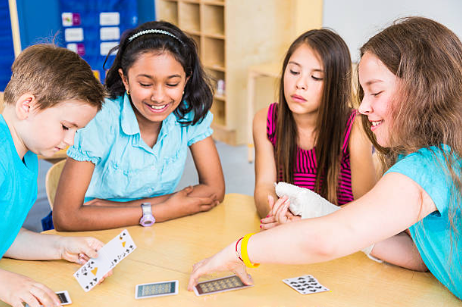
Momentum behind youth bridge continues to build globally, with federations increasingly investing in structured programs aimed at introducing the game at earlier ages. The success of recent international youth competitions has demonstrated that the traditional perception of bridge as an “older player’s game” is rapidly evolving.
National bridge organizations across Europe, Asia, and North America are now prioritizing school partnerships, simplified teaching formats such as minibridge, and digital learning tools tailored to younger audiences. These initiatives are not just about recruitment—they are about reshaping the long-term sustainability of the game.
What is particularly notable is the shift in methodology. Rather than relying on club-based learning, many programs now integrate bridge into educational environments, emphasizing logic, probability, and teamwork. Teachers and organizers are increasingly framing bridge as both a competitive activity and a cognitive development tool.
For the bridge ecosystem, this represents a strategic pivot. Youth engagement is no longer treated as a secondary concern but as a central pillar of future growth. The key challenge ahead will be retention—ensuring that young players transition from introductory formats into long-term participation.
Still, the direction is clear: bridge is actively rebuilding its player base from the ground up, and the next generation is already at the table.






Responses