
Bridge Clubs Reinvent Themselves to Stay Relevant



Choose a language
 Français
 Deutsch
 Español
 Italiano
 Português
 Nederlands
 Русский
 中文
中文
 Türkçe
 Dansk
Dansk
 Svenska
 Norsk
Norsk
 हिन्दी
Bridge clubs, long considered the backbone of the game, are undergoing significant transformation as they adapt to evolving player expectations. Faced with declining attendance in some regions and competition from digital platforms, clubs are rethinking how they attract and retain members.
Many are introducing more flexible playing schedules, shorter formats, and beginner-friendly sessions designed to lower the intimidation factor for new players. Social elements are also being emphasized, with clubs positioning themselves as community hubs rather than purely competitive environments.
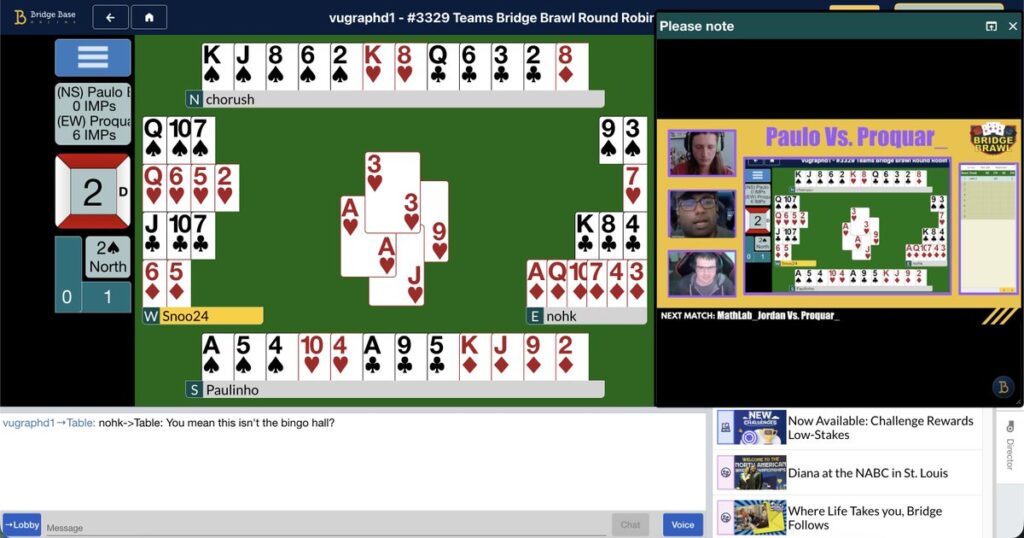
Digital integration is another key trend. Clubs are using online tools for teaching, communication, and even hybrid play, allowing members to stay connected beyond physical meetings.
This shift reflects a broader understanding: modern players are looking for convenience, accessibility, and a sense of community. Clubs that embrace these expectations are more likely to thrive.
While challenges remain, particularly in recruiting younger members, the reinvention of bridge clubs shows that traditional structures can evolve without losing their identity.
Ultimately, the future of clubs may depend on their ability to balance heritage with innovation.







Responses