
AI and Bridge: A Growing Conversation

Choose a language
 Français
 Deutsch
 Español
 Italiano
 Português
 Nederlands
 Русский
 中文
中文
 Türkçe
 Dansk
Dansk
 Svenska
 Norsk
Norsk
 हिन्दी
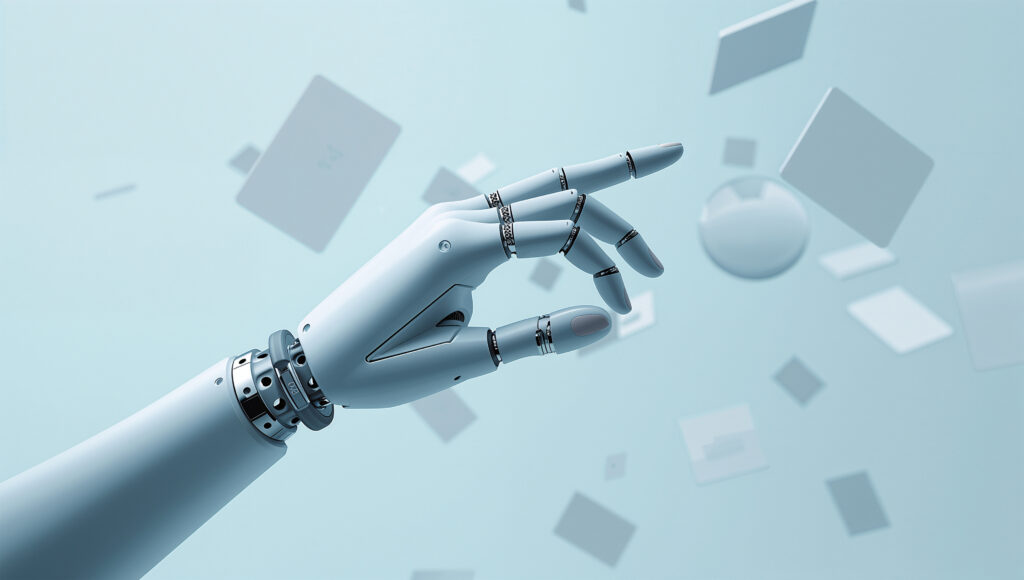
Artificial intelligence is becoming an increasingly visible part of the bridge landscape, influencing everything from training tools to performance analysis. While bridge has long been associated with human intuition and partnership dynamics, AI is now offering new ways to understand and improve the game.
Modern platforms provide detailed hand analysis, bidding suggestions, and post-game breakdowns that allow players to identify mistakes and refine their strategies. For beginners, AI-powered tools can accelerate learning by providing instant feedback and guided practice.
- GIB Advanced and Basic: These are BBO’s signature robots, familiar to most of our players. They are the mainstay of BBO, with players interacting with these two robots in almost every
game across the platform. - Argine: A guest robot known for its ability to handle a variety of systems such as Acol, SEF, and Basic SAY. Argine is also adept at the 2/1 system, allowing for a comprehensive comparison with other robots.
- ACBL Ben: This experimental AI bridge engine represents a sample of the ongoing AI reseach and development. Trained on a massive dataset of 100 million hands from ACBL pair games on BBO, ACBL Ben offers a fresh perspective in the realm of digital bridge.
For experienced players, the benefits are equally significant. Advanced analysis helps uncover patterns, optimize decision-making, and explore alternative lines of play that might not be immediately obvious.
At the same time, the rise of AI raises important questions about the nature of competition and preparation. As access to sophisticated tools becomes more widespread, the gap between casual and highly trained players may evolve in new ways.
For the bridge community, the challenge will be to embrace technological progress while preserving the human elements that define the game, communication, psychology, and partnership.
What is clear is that AI is no longer a distant concept in bridge. It is already shaping how the game is learned, played, and understood.



Responses